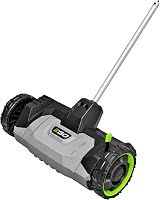
How Does a Lawn Scarifier Work?
A lawn scarifier spins vertical steel blades through the top layer of the lawn, cutting out thatch and moss so air, water and nutrients reach the soil. The blades slice rather than pull, and the loosened debris is either bagged or raked up afterward.
On this page (8 sections)
- What happens inside a lawn scarifier as it moves?
- How is a scarifier different from a dethatcher?
- How deep should the blades go?
- What does the scarifier do to thatch and moss?
- When should you scarify a lawn?
- How do you scarify a lawn step by step?
- What should you do after scarifying?
- Which scarifier should you buy?
A lawn scarifier works by spinning vertical steel blades through the top layer of grass, slicing out thatch and moss so air, water and nutrients can reach the soil. The machine cuts rather than pulls, and the loosened debris is bagged or raked up afterward.
The blade type, the depth setting and the time of year decide whether you help the lawn or tear it up. This guide walks through how a lawn scarifier works in practice, from the motor and head to the cleanup.
What happens inside a lawn scarifier as it moves?
The motor turns a horizontal shaft fitted with a row of vertical blades, and each blade cuts a narrow slit in the turf as you push. The shaft sits low in the deck, so the blades reach the thatch layer and the soil surface without scalping the grass.
Power comes from a corded electric motor on most home units. The WEN DT1516 runs a 15-amp motor up to 3300 RPM across a 16-inch path.
The Greenworks unit uses a 13-amp motor with a 14-inch path. The TaskStar machine runs a 15-amp motor to 3500 RPM on a 16-inch path.
Higher RPM means more cuts per foot of travel. That matters on thick thatch, where a slow motor bounces over the mat instead of slicing through it.
A steady walking pace beats rushing.
Most units also have a collection bag behind the deck. The blades throw the loosened material backward into the bag, which keeps the lawn from looking like a hayfield.
How is a scarifier different from a dethatcher?
A dethatcher rakes the surface, while a scarifier cuts into the matted layer and the top of the soil. The two jobs overlap, but the heads are built differently and the machines are sold as 2-in-1 units for that reason.
A dethatching head uses spring steel tines. They flex as they pass over the grass and pull dead material up and back, similar to a stiff rake.
The WEN dethatching head uses 24 steel tines for thatch pickup. A scarifying head uses rigid blades that cut grooves.
The WEN scarifying head has 20 blades and is built to open the surface so air and water get in.
Use the dethatching head when the problem is a loose brown layer sitting on top. Switch to the scarifying head when the thatch is matted, moss has taken hold, or the soil surface feels compacted.
The Greenworks and TaskStar units both have a quick-release switch for swapping attachments without tools.
How deep should the blades go?
Start at the shallowest setting and work down one notch at a time. Depth is the single biggest risk in scarifying, because blades set too low can pull out healthy grass.
Most machines offer 5 positions. The WEN DT1516 ranges from +1/4 inch down to -1/2 inch of raking depth.
The TaskStar runs from -1/2 inch to +1/4 inch. The Greenworks model offers 3 depth positions.
A plus setting lifts the blades above the surface for a light pass. A minus setting cuts below the surface.
The sweet spot is usually the first or second minus notch, enough to cut thatch without tearing roots.
Mow first and keep the grass at about 2 inches. TaskStar advises keeping grass height at 1.97 inches and mowing taller grass beforehand for smooth operation.
Run one test strip and look at what comes up: loose brown material is right, green shoots and root clumps mean you're too deep.
What does the scarifier do to thatch and moss?
The blades break the thatch layer into short pieces and lift moss off the soil, so the lawn can breathe again. Thatch is the brown layer of dead stems and roots that builds up between the green grass and the soil.
When thatch gets thicker than about half an inch, water runs off it instead of soaking in. Fertilizer sits on top and roots stay shallow.
A scarifier opens channels through that layer and scratches the soil surface, which is why makers describe the pass as aerating the grass. WEN says its 20-blade head helps aerate the lawn for healthier, thicker growth.
Moss comes up more easily. It has shallow roots, so the blades lift it in clumps that the bag or rake collects.
Expect a scruffy lawn for a week or two, then new shoots filling the gaps.
When should you scarify a lawn?
Scarify when the grass is actively growing, so it can repair itself afterward. The right window depends on your grass type more than the calendar.
For cool-season grasses such as fescue and bluegrass, aim for early fall or early spring. Greenworks advises dethatching in early spring or early fall for cool-season grasses.
For warm-season grasses such as Bermuda and zoysia, late spring through early summer is better, after the second mowing.
Skip it during drought, frost or the hottest weeks of summer. The lawn needs energy to close the cuts, and stressed grass doesn't have it.
It's also worth checking how often should you dethatch a lawn before you plan a schedule, because most lawns need one pass a year at most.
Which scarifier suits a first-time user?
The Greenworks 13 Amp 14-Inch Corded Dethatcher is the easiest starting point for a small to mid-size lawn. Its 13-amp motor and 14-inch path keep the machine light enough to steer, and the push-button start means no pull cord.
The 2-in-1 design covers both jobs with one body. You get the dethatching attachment for a light spring clean and the scarifying attachment for moss or matted thatch.
Three depth settings are fewer than the WEN's five, but simpler to learn on. The 14-inch path means more passes on a large lawn.
Which scarifier covers more ground per pass?
The WEN DT1516 16-Inch Electric Dethatcher is the pick for bigger lawns and heavier thatch. Its 16-inch clearing path and 15-amp motor cut a wider swath at up to 3300 RPM.
The five-position height adjustment gives finer control than a 3-position machine, which matters when you're dialing in the first pass. The 24-tine dethatching head and 20-blade scarifying head are both included.
WEN backs it with a two-year warranty, and overload shutdown stops the motor if the blades hit a rock or concrete edge. It weighs 33.7 lb, so it's heavier to push than the Greenworks model.
Which scarifier includes a hand rake for edges?
The TaskStar Dethatcher and Scarifier suits yards with tight corners and beds the machine can't reach. It ships with a bonus adjustable thatch rake that extends from 55 to 83.5 inches.
The rake doubles as a dethatching rake for spot touch-ups after the machine pass. The unit weighs 28 lb and has a foldable handlebar for compact storage.
A 14.5-gallon collection bag is included, though TaskStar recommends removing it for larger areas. Five depth positions run from -1/2 inch to +1/4 inch, matching the WEN's range.
The 1-year warranty is shorter than WEN's two years.
How do you scarify a lawn step by step?
Mow, set a shallow depth, run straight passes, then clean up the debris. A steady, overlapping pattern gives an even result and avoids missed strips.
- Mow the lawn short and clear sticks, stones and toys from the path.
- Set the blades to the shallowest depth and start the motor.
- Walk in straight, overlapping lines at a steady pace, like mowing.
- Check the debris after the first strip and adjust depth if needed.
- Run a second pass at 90 degrees only if thatch is still heavy.
- Rake or vacuum the loosened material and water the lawn.
Don't scarify wet grass. The blades clog and the debris clumps instead of lifting.
Wear closed shoes and eye protection, and keep the cord behind you so it doesn't cross the cutting path. For corners and edges the machine can't reach, see how to use a dethatching rake for the hand method.
What should you do after scarifying?
Water the lawn, top-dress thin patches and hold off on heavy traffic for a week or two. The lawn has open cuts and bare soil, and both need care to recover.
Water deeply a day or two after the pass if rain doesn't come. Overseed bare patches in the right season for your grass type.
A light top dressing settles seed into the grooves the blades opened. Keep the mower height up for the next few cuts so the recovering grass can build strength, and hold fertilizer until new growth shows.
Check the machine afterward too. Scrape soil off the blades, check for bent tines and clear the bag.
Which scarifier should you buy?
Pick the Greenworks 13 Amp for a first scarifier on a small lawn, the WEN DT1516 for a large lawn or heavy thatch, and the TaskStar if you want a hand rake for edges. That covers the three real buying cases.
The Greenworks unit's light weight and 3 depth positions make it the easiest to learn on. The WEN's 16-inch path, five depth settings and two-year warranty suit anyone covering a lot of ground.
The TaskStar adds the hand rake and folds for storage, at the cost of a shorter warranty.
If you want to skip the cord entirely, compare cordless dethatcher options before you commit. For a fuller look at head types and power sources, our guide to the lawn dethatcher covers corded, cordless and tow-behind machines.
Whatever you choose, remember how a lawn scarifier works: it cuts thatch, it doesn't mow. Set it shallow, run it in season, and clean up after it, and the lawn will come back thicker than before.
Frequently asked questions
How does a lawn scarifier work?
A motor turns a row of vertical steel blades under the machine. As you push it across the grass, the blades cut through the thatch layer and moss just above the soil surface.
The debris is thrown into a bag or left behind for raking.
Is a scarifier the same as a dethatcher?
They use similar machines but different heads. A dethatcher's spring tines rake out dead material lying on the surface.
A scarifier's rigid blades cut into the matted layer and the top of the soil, so it is the heavier job.
Can scarifying kill your lawn?
It can if you cut too deep or do it at the wrong time. Set a shallow depth on the first pass and never work below the thatch layer.
A lawn that is already weak from drought or disease should recover first.
How often should you scarify?
Most lawns need it once a year at most, and many need it less. Lawns with heavy thatch or moss may need a spring and a fall pass.
Light thatch is better handled with a dethatching rake.