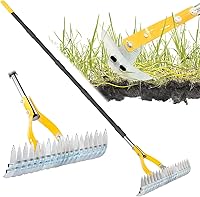
How to Use a Tow-Behind Dethatcher
To use a tow-behind dethatcher, hitch it to a lawn tractor or ATV, mow the lawn short first, then lower the spring tines and pull straight passes across the grass. Lift the tines for turns and transport, rake up the loosened thatch, and water the lawn afterward.
On this page (10 sections)
- What should you do before you start dethatching?
- How do you hitch a tow-behind dethatcher to a tractor or ATV?
- How do you set the tine depth on a tow-behind dethatcher?
- How do you pull straight passes without tearing the lawn?
- How do you handle turns, slopes and obstacles?
- How do you clear the thatch once it's loose?
- How should you treat the lawn after dethatching?
- What mistakes should you avoid when dethatching?
- When should you dethatch, and when should you skip it?
- The short version of how to use a tow-behind dethatcher
To use a tow-behind dethatcher, hitch it to a lawn tractor or ATV, mow the lawn short first, then lower the spring tines and pull straight passes across the grass. Lift the tines for turns and transport, rake up the loosened thatch, and water the lawn afterward.
A dethatcher works like a comb: the spring tines scratch the surface and pull dead stems and matted grass free. How you set the depth and when you run it matter more than how hard you pull.
This guide walks through each step of learning how to use a tow-behind dethatcher on a typical home lawn.
What should you do before you start dethatching?
Mow short, check the soil moisture, and mark anything the tines could hit. Walk the lawn first and pick up sticks, stones and toys, since a hidden rock can bend a tine or jam the deck.
Mow at the low end of your usual height so the tines reach the thatch layer instead of riding over long grass. Then squeeze a handful of soil and let go.
If it stays in a wet ball, wait for a drier day.
Check the forecast too. A dry, mild day is easier on the machine and the grass, and you want the lawn to be actively growing so it can recover.
The lawn dethatcher guide covers the wider options if you're still deciding between a tow model and a walk-behind unit.
How do you hitch a tow-behind dethatcher to a tractor or ATV?
Line up the drawbar with your vehicle's rear hitch, drop in the hitch pin, and secure it with the clip. Most tow-behind dethatchers use a simple pin connection, so there's no wiring or tools involved.
Roll the dethatcher to the vehicle, or back the vehicle to the dethatcher, and slide the drawbar into the hitch bracket. Push the pin through the holes and lock it.
Pull gently forward a few feet to confirm the pin holds and the deck rolls freely.
Keep the tines raised for this first test and for any trip across pavement. The Agri-Fab 45-0294 includes a hitch pin and a long upright lever you can reach from the tractor seat to raise and lower the tines.
If you tow with an ATV rather than a tractor, keep speed low on slopes.
How do you set the tine depth on a tow-behind dethatcher?
Lower the tines until they just graze the soil, then pull a short test pass and adjust from there. This is the single setting that decides whether the dethatcher helps or hurts the lawn.
Start shallow. The tine tips should scratch the surface and pull thatch without dragging the deck or tearing at the green grass beneath.
If the tow vehicle bogs down or the tines dig in, raise the deck a notch. If the tines only skim the grass tops, lower it slowly.
Some units, like the Brinly 42-Inch combo, set depth with a side-mounted lever that locks into position. On simpler models you raise or lower the tray with an upright handle.
Either way, stop the vehicle, make the change and run another short pass to check.
How deep should the tines go?
Run the tines so they reach the thatch layer but not deep into the soil. Deep teeth rip roots, pull up live crowns and leave the lawn with bare patches that take weeks to fill.
Half an inch of thatch is the usual sign the lawn needs the job at all. Set the tines to comb that layer and lift it, not to cultivate the topsoil.
A lighter pass repeated in two directions does less harm than one aggressive pass.
How do you pull straight passes without tearing the lawn?
Drive in straight lines at a slow, steady speed and overlap each pass by a few inches. Straight passes keep the tines from swinging sideways and scalping the grass.
Pick a direction, line up the first pass along a lawn edge, and hold it. Turn at the end with the tines raised, come back alongside the first strip, and overlap it slightly so no band gets missed.
On slopes, work up and down rather than across.
Slow matters. Roughly walking speed gives the spring steel time to comb through the thatch.
A faster run bounces the deck, skips patches and puts extra strain on the tines.
How much area can you cover in one pass?
A 40-inch or 42-inch dethatcher covers about 3 to 3.5 feet per pass, so a quarter-acre lawn takes several overlapping runs. Plan the strips before you start so you don't crisscross the same ground twice.
On very thick thatch, do two lighter passes in opposite directions rather than one heavy pass. That lifts more material without digging in.
Check the comparison of tow-behind and electric dethatchers if you have a small lawn and wonder whether a tow unit is overkill.
How do you handle turns, slopes and obstacles?
Raise the tines before every turn, keep the deck down only in open straight runs, and slow down on slopes. Dragging the tines through a tight turn is the quickest way to tear turf and bend tines.
Stop short of trees and beds, lift the tines, and turn with the machine raised. Lower again once you're lined up on the next strip.
On slopes, reduce speed and avoid sharp direction changes at the top.
For long or steep runs, keep the weight of the tow vehicle in mind: a heavier tractor holds a line better, while a light ATV can slide on wet grass. Skip the job on a slope that feels slippery rather than risk a rollover.
How do you clear the thatch once it's loose?
Rake or sweep the loosened material into rows and bag it before it settles back into the grass. Left on the lawn, the dead thatch mats down again and blocks light and water.
A spring-tine rake is the simple tool for this. The Groundskeeper II Thatch Rake has 28 hardened steel tines on a 21-inch head and a 55-inch fiberglass handle, and its angled tines pull leaves and thatch without much downward pressure.
Use it to gather material into piles or rows along the mowing lines.
On larger lawns, a combo unit that dethatches and sweeps in one pass saves a separate raking job. Bag the material or add it to the compost, and don't leave thick windrows sitting on the grass over a weekend.
How should you treat the lawn after dethatching?
Water the lawn, keep off it for a few days, and hold fertilizer until the grass starts growing back. Dethatching opens the surface, so the lawn is more exposed to sun and dry air right after the job.
Give the grass a deep watering to settle the soil and help the crowns recover. Skip heavy foot traffic and mowing for several days.
If you plan to overseed or fertilize, wait until the lawn shows new growth so the seed isn't sitting in an open, dry surface.
Check the lawn a week later for bare patches. Small thin spots often fill in on their own; large ones may need a little seed and topsoil.
This is also a good time to look at whether the lawn needs the job again next season.
What mistakes should you avoid when dethatching?
The common mistakes are going too deep, towing too fast, working a wet lawn and leaving the thatch on the ground. Each one cancels the benefit of the job or damages the grass.
- Setting the tines so deep they pull roots and leave bald spots.
- Pulling at full speed so the deck bounces and misses patches.
- Running on wet grass, which clumps the thatch and tears live blades.
- Turning with the tines down and scalping the corners.
- Forgetting to rake up the loosened material.
- Dethatching a lawn that isn't growing, such as during summer heat or winter dormancy.
The Agri-Fab 45-0294 shows the basic setup that makes these mistakes easier to avoid: 20 spring steel tines on a 40-inch deck, a long lever to raise and lower them from the seat, and a heavy gauge steel frame. Some assembly is required, and Agri-Fab covers it with a 3-year limited warranty.
If you want to dethatch and pick up the debris in one trip, the Brinly 42-Inch combo pairs two rows of 12 flexing tines with six sweeper brushes and a 20 cu. ft. hamper. Its side lever has 10 depth positions, and the tines lock up out of the way for transport.
When should you dethatch, and when should you skip it?
Dethatch when the thatch layer is thicker than about half an inch and the grass is actively growing. For cool-season lawns that usually means spring or early fall; warm-season grasses do better in late spring or early summer.
Skip it if the lawn is dry and heat-stressed, if the grass is dormant, or if the thatch is thin. Dethatching a weak lawn sets it back instead of helping.
It's also worth checking that the machine actually suits your grass: our look at whether tow-behind dethatchers really work explains what they can and can't fix.
If your lawn is mostly thin thatch and a few bare spots, a rake and some seed may be enough. Compare models in the best tow-behind dethatcher roundup before you buy.
The short version of how to use a tow-behind dethatcher
Hitch the unit, mow short, and run straight slow passes with the tines just grazing the soil. Lift the tines for turns and travel, rake or sweep up the loosened thatch, then water the lawn and let it recover.
Follow that order and how to use a tow-behind dethatcher becomes a routine job you can repeat each season without hurting the grass.
Frequently asked questions
How do you use a tow-behind dethatcher step by step?
Hitch the dethatcher to your tractor or ATV, mow the lawn short, and lower the tines to just touch the soil. Pull straight passes at a slow speed, lift the tines on turns, then rake up the loosened thatch and water the lawn.
Should you mow before dethatching?
Yes. Mow the lawn short first, at the low end of your normal height, so the tines reach the thatch layer instead of riding over tall grass.
Mowing also lets you see how much dead material sits between the green blades.
Can you dethatch a wet lawn?
No. Wait until the grass and soil are dry, because wet thatch clumps, clogs the tines, and tears live grass.
A dry lawn also lets you rake and bag the loosened material far more easily.
How fast should you tow a dethatcher?
Use a slow, steady pace in a low gear, roughly walking speed. Fast towing bounces the deck over the surface, skips patches and strains the tines, while a slow pass gives the spring steel time to comb through the thatch.
How often should you dethatch a lawn?
Dethatch only when the thatch layer builds past about half an inch, and then at most once or twice a year in the growing season. Spring and early fall are the usual windows for cool-season grass, and the job is best when the lawn is actively growing.