How to Use an Electric Dethatcher
To use an electric dethatcher, run it on dry grass when the lawn is actively growing, set a shallow depth first, and walk it in slow overlapping passes with the bag attached. Rake up what it pulls, water the lawn, and stop early if you're tearing roots instead of thatch.
On this page (8 sections)
- When should you dethatch your lawn?
- What should you do before you start the dethatcher?
- How do you set the depth correctly?
- How do you walk the machine across the lawn?
- What do you do with the thatch it pulls up?
- What should you do after dethatching?
- How do you keep the dethatcher working well?
- How does dethatching fit with your other lawn jobs?
To use an electric dethatcher, run it on dry grass when the lawn is actively growing, set a shallow depth first, and walk it in slow overlapping passes with the bag attached. Rake up what it pulls, water the lawn, and stop early if you're tearing roots instead of thatch.
Learning how to use an electric dethatcher well comes down to timing and depth more than speed. Get those two right and the machine does the rest of the work in a few steady passes.
When should you dethatch your lawn?
Early fall is the best window for cool-season grass and late spring for warm-season grass, when the lawn is growing fast enough to recover. Dethatching in heat or drought stresses grass that can't heal quickly.
Check the thatch layer before you start. Push a finger or a soil knife into the turf: if dead material sits more than about 1/2 inch above the soil, the lawn needs dethatching.
Less than that and a light raking is enough.
Grass should be dry to the touch. A wet lawn clumps in the tines and the wheels slide, so the machine digs in unevenly.
Pick a day with no rain in the forecast and no heavy heat.
Wait until the lawn has had at least one full growing season. New seed and sod have shallow roots that the tines can tear out.
A lawn that is still filling in has gaps the tines can grab, so give it time to knit together before you run a machine over it.
What should you do before you start the dethatcher?
Mark anything the tines could hit and clear the surface first. Sprinkler heads, shallow edging, exposed roots and garden hose lines all need to be out of the path.
Set the collection bag in place before you plug in the cord. A long extension cord rated for the machine's amp draw matters too; a light cord heats up and trips the breaker.
Check the cord's rating against the machine's 15 amps before you run a full pass on a long line.
Mow slightly lower than usual so the tines reach the thatch layer. Short grass also makes the dead material easier to collect.
Plan your route. Run parallel lines in a back-and-forth pattern, or overlap each pass by a few inches so no strip gets missed.
A single pass in each direction is enough for most lawns.
If your lawn is patchy or very spongy, read do electric dethatchers work first. It explains what the machine can and can't fix.
How do you set the depth correctly?
Start at the shallowest setting and only go deeper when the tines skim without lifting dead material. Depth is the single biggest cause of dethatching damage, so take the first pass slow and watch what the machine pulls.
The WEN DT1516 offers five depth settings from +1/4 to -1/2 inch. That range covers a light cleanup pass and a deeper scarifying run, and the dethatching head carries 24 steel tines for thatch pickup.
Which head should you use for the job?
The machine ships with two heads, and the choice depends on what the lawn needs. The 24 steel-tine dethatching head is for pulling thatch and debris out of the canopy.
The 20-blade scarifying head is for aerating the grass so it thickens, and it cuts into the surface more aggressively than the tines do. Swap the head before you start the job rather than midway through, so you can judge the whole lawn against one setting.
Run the shallowest setting over a short test strip first. If the bag fills quickly with brown, straw-like material and the grass stays upright, the depth is right.
If the tines dig into soil or tear green blades, raise the machine a step.
Set the wheels at the same depth on both sides. An uneven setting tilts the head and leaves streaks on one side of every pass.
How do you walk the machine across the lawn?
Move at a slow, steady walking pace and let the tines do the lifting. Pushing faster than the head can work leaves thatch behind and stresses the motor.
Overlap each pass by 2 to 3 inches so no strip is missed. On a sloped lawn, run up and down rather than across the hill for better footing.
Keep the cord behind you. Dragging it across fresh thatch piles snags the plug, and a cord under the wheels gets nicked.
If your yard has trees and tight corners, a cordless dethatcher removes that trip hazard.
The WEN's 15-amp motor spins up to 3300 RPM across a 16-inch clearing path. That's a wide enough pass to finish a typical lawn without a lot of back-and-forth, and the automatic overload shutdown stops the motor if the tines hit a rock or concrete edge.
If the machine cuts out mid-pass, don't force it. The overload protection is telling you the tines hit something hard, so stop, unplug the cord, clear the head and restart.
The same shutdown protects the scarifying blades as well as the dethatching tines.
What do you do with the thatch it pulls up?
Collect it or rake it into piles and remove it from the lawn. Thatch left on the surface mats down and blocks the light and air the grass needs, so the cleanup matters as much as the dethatching.
The WEN's detachable collection bag catches most of what the tines loosen. Empty it when it fills to about two-thirds so the airflow doesn't choke.
A full bag leaves material behind and forces the tines to drag it along.
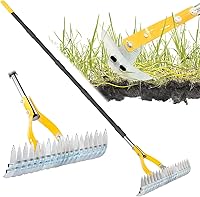
For clumps the bag misses, a thatch rake gathers them without tearing the turf. The Groundskeeper II has 28 hardened steel tines on a 21-inch head and a 55-inch fiberglass handle, so you can rake standing up.
Rake in one direction to form a windrow, then pick it up with a tarp or garden bag. Compost the thatch or send it to yard waste collection; don't leave it in a pile on the lawn.
What should you do after dethatching?
Water the lawn and keep off it for a few days. Dethatching opens the turf and dries the soil surface, so the grass needs moisture to recover.
Give the lawn about 1 inch of water right after the job, then return to a normal schedule. Don't fertilize in the same week unless your soil test calls for it; wait until the grass has thickened.
Hold off mowing for about a week. Let the grass blades stand back up and fill the gaps before you cut.
If the dethatching pulled up a lot of dead material and left thin spots, overseed into the openings. The exposed soil is a good seedbed, but keep the seed damp until it germinates.
Watch for stress in the days after. Yellow tips are normal; bare patches that widen are not, and they usually mean the depth was set too deep.
How do you keep the dethatcher working well?
Clean the tines and check the belt and cord after each use. Thatch and soil cling to the head and wear the tines faster if left in place.
Unplug the machine before you touch the head. Clear wrapped grass from the tines with a stick or gloved hand, never with the motor running.
Check the collection bag for rips and the cord for nicks. A damaged cord is a shock risk and should be replaced rather than taped.
Store the dethatcher indoors or under cover. WEN backs the DT1516 with a two-year warranty and stocks replacement parts, so worn tines can be swapped rather than replacing the whole machine.
When the season is over, run the machine once on a hard surface to shake out loose debris before storage. That simple step keeps the head free for next year.
How does dethatching fit with your other lawn jobs?
Dethatch before you aerate or overseed, not after. Clearing the thatch layer first lets the aerator plugs and the seed reach the soil instead of sitting on top of dead material.
Pair it with a fall cleanup: dethatch, rake, aerate, then overseed. The order matters more than the tools you use.
If you're weighing a hand tool against the machine, our comparison of thatch rake vs electric dethatcher covers the trade-offs in time and effort. A dethatching rake is a good fit for small lawns and light thatch.
For a lawn that needs more than thatch removal, a tiller helps when you're rebuilding a bed or breaking new ground. The Earthquake Victory runs counter-rotating tines on a 209cc Viper engine and tills 16 inches wide.
Keep dethatching as one job in the seasonal calendar. Run it once a year when the thatch layer calls for it, and your lawn gets the air, water and nutrients the grass needs to thicken.
To sum up how to use an electric dethatcher: pick a dry day in the growing season, start shallow, walk slow overlapping passes, and clear the thatch you pull. Clean the machine before storage and your lawn and the dethatcher will both be ready for next season.
Frequently asked questions
Do you need to rake after an electric dethatcher?
Yes. The tines loosen dead grass and debris and the bag catches much of it, but raking gathers the clumps that stay behind so they don't smother the grass.
A spring rake or a thatch rake does this quickly.
How long should I wait before mowing after dethatching?
Give the lawn about a week to recover first. Dethatching opens the turf and stresses it, so mow when the grass has visibly thickened and you can't see bare soil between the blades.
Can I dethatch a wet lawn with an electric dethatcher?
No. Wet grass clumps in the tines and the wheels slide, so the machine digs in unevenly.
Wait for a dry day when the soil is moist but the blades are dry to the touch.
How often should I dethatch my lawn?
Most lawns need it once a year at most, in early fall for cool-season grass or late spring for warm-season grass. Check the thatch layer first and only run the machine when it is half an inch thick or more.
What happens if I set the dethatcher too deep?
Deep settings pull soil and roots along with the thatch, which can rip up the lawn. Start at the shallowest setting and only go deeper if the machine is skimming over the surface without lifting dead material.
Is an electric dethatcher safe for a new lawn?
No. Young or newly seeded grass has shallow roots that the tines can tear out.
Wait until the lawn has had at least a full growing season and has a dense canopy before dethatching it.