Lawn Dethatcher vs Aerator: Which Does Your Lawn Need? (November 2026)
Choose a dethatcher when dead grass and stems form a brown mat over the soil, and an aerator when the ground is hard and water pools on top. Most thin, spongy lawns need dethatching first; the Sun Joe 15-Inch Dethatcher is the strongest corded pick for that job.
On this page (9 sections)
- What does a lawn dethatcher actually do?
- What does a lawn aerator do?
- When should you dethatch instead of aerate?
- How do the tools compare side by side?
- Which one fixes thatch and which fixes compaction?
- Which dethatcher should you buy?
- Which aerator should you buy?
- Which should you buy first for your lawn?
- Which tool wins for most lawns?
Choose a dethatcher when dead grass and stems form a brown mat over the soil, and an aerator when the ground is hard and water pools on top. In the lawn dethatcher vs aerator decision, the layer sitting on your grass and the feel under your feet tell you which tool to reach for first.
Thatch is the mat of dead and living stems that builds up between the grass blades and the soil. A dethatcher pulls that layer out; an aerator opens the soil so air and water get down to the roots.
Many thin or patchy lawns need dethatching before anything else, because the mat blocks the soil from breathing. Hard, compacted ground needs aeration, and some yards need both in sequence.
This comparison covers how each tool works, when each one earns its place, and which machines do the job well.

 Best lightweight corded pick
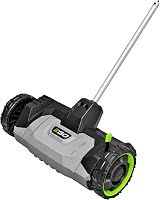
Greenworks 13 Amp 14-Inch Corded Dethatcher
What does a lawn dethatcher actually do?
A dethatcher rakes through the turf to pull out the thatch layer so air, water and fertilizer can reach the soil. It works on the surface, dragging stiff tines or blades through the grass.
Thatch forms when grass clippings and dead stems build up faster than they break down. A thin layer is normal and even helpful, but once it thickens it turns spongy and blocks moisture.
The Sun Joe 15-Inch Lawn Dethatcher with Scarifier uses a 13-amp motor to pull that mat loose and a removable collection bag to catch what comes up. It also has five depth settings so you can work shallow over thin turf or deeper into a heavy buildup.
The depth range runs from a 2.5 cm minimum to a 12.2 cm maximum.
The Greenworks 13 Amp 14-Inch Corded Dethatcher covers a slightly narrower path, but its quick-release attachments let you swap the rake tines for a scarifier without tools. Its three-position tine depth covers the usual spring and fall cleanup.
Both machines are corded, so plan your path around an outdoor outlet. A corded dethatcher gives steady power for a full lawn pass and never runs out of charge mid-stripe.
Dethatching vs scarifying
Dethatching pulls loose surface thatch; scarifying cuts into the soil surface to break up moss and deeper debris. The Sun Joe and Greenworks units each switch between both modes.
Start with the dethatching attachment on a lawn with a light mat. Move to the scarifier only when moss or a stubborn layer sits tight against the soil.
What does a lawn aerator do?
An aerator opens the soil so air, water and nutrients reach the roots, which helps with compaction and poor drainage. It works below the surface, either by punching holes or pulling small cores out.
Compaction happens when foot traffic, mowing or heavy equipment presses soil particles together. Water then sits on top instead of soaking in, and roots struggle to spread.
Spike aerators push holes into the ground without removing soil. Core aerators pull small plugs out and relieve compaction more deeply, which matters on large or heavy-clay lawns.
The Walensee 4-Row Lawn Aerator Tool drives 20 steel spikes 2.8 inches deep through a four-row foot plate. It's built for small yards, garden edges and spot aeration where a tow-behind machine would be clumsy.
The 9.2 x 5.5-inch foot plate gives you a flat surface to step on, and the 34.6-inch handle keeps your back out of the bending.
The Walensee Aerator Lawn Tool is the lighter sibling, with 15 iron spikes in three rows and a cushioned T-handle. Its detachable design makes it easy to store between sessions.
Spike vs core aeration
Spike aeration is quick and low-effort on small patches; core aeration does more for deep compaction. For a home lawn under a quarter acre, a manual spike tool covers the job without hiring a machine.
Water the lawn the day before you aerate so the spikes slide in. Hard, dry ground blunts the effort and can bend the tines.
The Walensee tools are rated for firm but workable soil, so skip them on rock-hard summer ground or loose sand.
When should you dethatch instead of aerate?
Dethatch when the thatch layer is thick and spongy; aerate when the soil is hard and water runs off. The quickest test is physical, and you can run it in a minute.
Cut a small square of turf and measure the brown layer between the green blades and the soil. More than about half an inch means the thatch is heavy enough to block air and water, so dethatch first.
If the layer is thin but a soil probe or screwdriver barely sinks in, compaction is the problem and aeration is the fix. Water that beads and puddles on the surface after rain points the same way.
A lawn with both problems needs both tools. Dethatch first to clear the mat, then aerate so the holes reach real soil, then overseed into the openings.
What about moss and bare patches?
Moss thrives where grass is thin and the soil stays wet. Dethatching removes the moss mat, and aeration plus better drainage helps stop it returning.
Bare spots often follow compaction and poor water penetration. Run the aerator over those areas and overseed so roots can establish in the loosened soil.
The spike holes also improve fertilizer and seed absorption, so a pass before overseeding gives seed better contact with the root zone.
How do the tools compare side by side?
The dethatchers are powered machines for pulling thatch; the aerators are manual tools for opening soil. That split decides which one you buy first.
| Feature | Sun Joe 15-Inch Dethatcher | Greenworks 14-Inch Dethatcher | Walensee 4-Row Aerator | Walensee Aerator Tool |
|---|---|---|---|---|
| Job | Pulls thatch and scarifies | Pulls thatch and scarifies | Spike aeration | Spike aeration |
| Power | 13 amp, corded | 13 amp, corded | Manual, step-on | Manual, step-on |
| Working width | 15 in | 14 in | Four rows | Three rows |
| Spikes or tines | Dethatcher reel and scarifier | Dethatcher tines and scarifier | 20 steel spikes | 15 iron spikes |
| Depth control | 5 positions | 3 positions | Spike depth fixed at 2.8 in | Spike depth fixed at 2.8 in |
| Weight | 27.1 lb | 28.7 lb | 5.68 lb | 4.49 lb |
The corded dethatchers do the heavy surface work and collect what they pull. The manual aerators are light, cheap to run and easy to store, but you supply the muscle.
A dethatcher weighs around 27 to 29 pounds and rolls on four wheels, while a Walensee aerator is under six pounds and lifts by its handle.
If your lawn has never been dethatched and feels springy underfoot, a powered dethatcher is the tool to buy first. If the ground is firm and puddles form, a spike aerator handles the compaction.
Which one fixes thatch and which fixes compaction?
Thatch and compaction are separate problems, and each tool targets one. A dethatcher removes the surface layer; an aerator loosens the soil below it.
Thatch buildup comes from grass that grows faster than it decays. Heavy feeding and light mowing without bagging can speed it up.
A dethatcher's tines comb the mat loose and pull it into a bag or windrow. On the Sun Joe, that mat lands in a removable 13.2-gallon collection bag, so you empty it instead of raking the lawn clean after every pass.
Compaction comes from pressure on the soil. A spike aerator's 20 or 15 spikes open channels that let oxygen reach the roots and water drain away.
Neither machine replaces the other.
Do you need both in the same year?
A lawn with both a heavy mat and hard ground benefits from dethatching, then aerating, in the same growing season. Space them a few days apart so the turf recovers between passes.
For most home lawns, one dethatching session in early fall and one aeration session in the same window is plenty. Skip a second round in the same season unless the thatch returns.
Dethatching also lifts matted stems that would otherwise block a spike aerator from biting into soil.
Which dethatcher should you buy?
The Sun Joe 15-Inch Lawn Dethatcher with Scarifier is the best dethatcher for most home lawns. Its 13-amp motor, removable collection bag and five depth settings handle both light cleanup and heavier scarifying.
The bag matters. Pulled thatch is bulky and messy, and catching it in a removable bag saves you raking the lawn afterward.
Five depth positions let you work gently on thin turf and deeper on a thick mat.
The Greenworks 13 Amp 14-Inch Corded Dethatcher is the easier-to-use alternative. Its quick-release attachments and push-button start make it easy to switch modes and get going.
The Sun Joe is the lighter machine at 27.1 lb against the Greenworks' 28.7 lb, so the real edge is the attachment swap and the simpler start.
Choose Sun Joe for the wider 15-inch path and deeper depth range. Choose Greenworks for the simpler attachment swap and push-button start.
Our cordless dethatcher comparison is worth reading if you'd rather not drag a cord.
Which aerator should you buy?
The Walensee 4-Row Lawn Aerator Tool is the best manual aerator for small yards. Its 20 steel spikes across four rows cover more ground per step than the lighter version.
The 2.8-inch spikes create deep channels for oxygen and water. Its 9.2 x 5.5-inch foot plate gives you a stable place to step and push the spikes in.
The heavy-duty steel frame and 34.6-inch overall length keep the tool steady while you work a border or a bare patch.
The Walensee Aerator Lawn Tool is the better spot-aeration pick. With 15 spikes in three rows and a cushioned T-handle, it's lighter to carry and easier to store.
Its detachable design breaks down quickly after the job.
Choose the 4-Row for a whole small lawn or a bigger repair job. Choose the 15-spike tool for bare patches, edges and the occasional touch-up.
A tow-behind aerator suits larger lawns; our tow-behind vs electric dethatcher guide covers that choice.
Which should you buy first for your lawn?
Buy the dethatcher first if your lawn feels spongy or has visible brown matting; buy the aerator first if the ground is hard and water pools. The right first purchase depends on which problem your yard actually has.
Walk the lawn and press a finger into the turf. If it sinks into a soft thatch layer, dethatching is the priority.
If the surface is firm and a probe won't enter, aeration comes first.
Our lawn dethatcher buying guide walks through corded, cordless and tow-behind choices in more detail. If you plan to dethatch and aerate in the same fall window, buy the dethatcher and rent or borrow an aerator for the one-off pass.
The two Walensee spike tools cover small jobs well enough that many yards never need more than one of them.
A simple order of work
Clear the thatch, aerate the soil, then overseed. Water lightly and keep off the lawn while new growth establishes.
That sequence gives seed the best contact with soil.
Time the dethatching to when the grass is actively growing so it can recover. Greenworks recommends early spring or early fall for cool-season grasses, and late spring through early summer after the second mowing for warm-season grasses.
Which tool wins for most lawns?
The dethatcher wins for most home lawns, because thatch buildup is the more common problem and a powered machine clears it in one pass. Pick the Sun Joe 15-Inch Lawn Dethatcher with Scarifier as the do-it-all choice for a typical yard.
If your lawn is small and hard underfoot, the Walensee 4-Row Lawn Aerator Tool handles the compaction without a cord. If you need both jobs done, dethatch first and aerate after.
For a lawn that needs a battery machine instead of a cord, the cordless dethatcher guide is the next stop. Decide by the layer you can feel, not by the label on the box.
Frequently asked questions
Should I dethatch or aerate my lawn first?
Dethatch first when a thick brown layer of dead grass sits over the soil. Removing thatch lets an aerator reach the soil underneath.
If your lawn has little thatch but hard, compacted ground, skip straight to aeration and overseed after.
How do I tell if my lawn needs dethatching or aeration?
Push a finger or a soil probe into the turf. A spongy layer more than about half an inch deep means thatch buildup and calls for a dethatcher.
If the probe barely enters hard ground and water puddles after rain, the soil is compacted and needs an aerator.
Can I dethatch and aerate on the same day?
Yes, in the right season. Dethatch first, clear the debris, then run the aerator over the loosened turf.
Do both when the grass is actively growing so it can recover, and water lightly afterward to help the holes close.
Is a spike aerator as good as a core aerator?
A spike aerator pushes holes into the soil and is fine for small lawns, edges and light compaction. A core aerator pulls plugs out and relieves deeper compaction better on large or heavy-clay lawns.
For a small yard, a manual spike tool is the practical choice.
What is the best corded dethatcher for a home lawn?
The Sun Joe 15-Inch Lawn Dethatcher with Scarifier scores highest here, with a 13-amp motor, a removable collection bag and five depth settings. The Greenworks 13 Amp 14-Inch Corded Dethatcher is the easier-to-use alternative with quick-release attachments and push-button start.